

These are the most competitive and well-known courses, generally requiring you to qualify in a national entrance exam like NEET-UG. They all focus on directly diagnosing and treating patients.
1. Bachelor of Medicine, Bachelor of Surgery (MBBS)
- What it is: This is the gold standard for becoming an allopathic doctor (a general physician or surgeon). It provides comprehensive training in human anatomy, physiology, pathology, pharmacology, medicine, and surgery.
- Duration: Approximately 5.5 years (including one year of compulsory rotating internship).
- Core Role: You will be diagnosing and treating illnesses, managing patient care in hospitals or clinics, and potentially performing surgical procedures after specialisation.
- Why choose it? If your absolute goal is to be a primary healthcare provider, the head of a medical team, or a specialist surgeon, this is your path.
2. Bachelor of Dental Surgery (BDS)

- What it is: This degree focuses entirely on the oral cavity. It prepares you to become a qualified dentist, handling the prevention, diagnosis, and treatment of diseases related to the teeth, gums, and mouth.
- Duration: Typically 4 to 5 years (including an internship).
- Core Role: As a dentist, you’ll perform procedures like fillings, root canals, extractions, and providing cosmetic dental treatments. Many BDS graduates open their own private practice, which offers significant independence.
- Why choose it? If you have excellent manual dexterity, enjoy precision work, and are interested in health, function, and aesthetics within a specific body system, dentistry is a great fit.
Alternative Medicine Systems
These degrees focus on traditional Indian systems of medicine, which are becoming increasingly popular for their holistic approach to health and wellness. These also typically require NEET-UG qualification.
3. Bachelor of Ayurvedic Medicine and Surgery (BAMS)
- What it is: This program combines the ancient wisdom of Ayurveda (herbal medicine, diet, and lifestyle) with essential modern anatomy and pathology. You learn to treat patients using natural, holistic methods.
- Duration: Approximately 5.5 years (including a mandatory internship).
- Core Role: Becoming an Ayurvedic doctor who prescribes herbal remedies, suggests therapeutic massages (like Panchakarma), and offers dietary and lifestyle counseling.
- Why choose it? If you believe in traditional, natural, and holistic healing, and appreciate the ancient medicinal practices of India.
4. Bachelor of Homeopathic Medicine and Surgery (BHMS)

- What it is: This course focuses on the principles of Homeopathy, which involves using highly diluted natural substances to trigger the body’s natural healing response. Like BAMS, it includes basic modern medical training.
- Duration: Approximately 5.5 years (including a mandatory internship).
- Core Role: Working as a Homeopathic practitioner who treats chronic and recurring conditions by analysing individual symptoms and prescribing tailored remedies.
- Why choose it? If you prefer a gentle, non-invasive form of treatment and are interested in managing long-term health issues using minimal doses of medicine.
High-Demand Allied Health & Paramedical Careers (Often No NEET)
These courses train professionals who act as the backbone of the healthcare system, supporting doctors and surgeons in diagnostic, therapeutic, and patient care roles. Many of these do not require a NEET score, making them excellent, high-salary alternatives.
5. Bachelor of Science in Nursing (B.Sc. Nursing)

- What it is: An extremely vital and globally demanded degree. Nurses are the primary caregivers, focusing on patient comfort, administering medication, assisting in procedures, and coordinating care between the patient and the doctor.
- Duration: 4 years (undergraduate degree).
- Core Role: Working as a Registered Nurse in hospitals (ICUs, OTs, Wards), clinics, or community health centres. The global mobility for nurses is very high!
- Insight: Nursing is not just assisting the doctor; it requires its own independent critical thinking skills, especially in emergency situations and long-term patient management.
6. Bachelor of Physiotherapy (BPT)

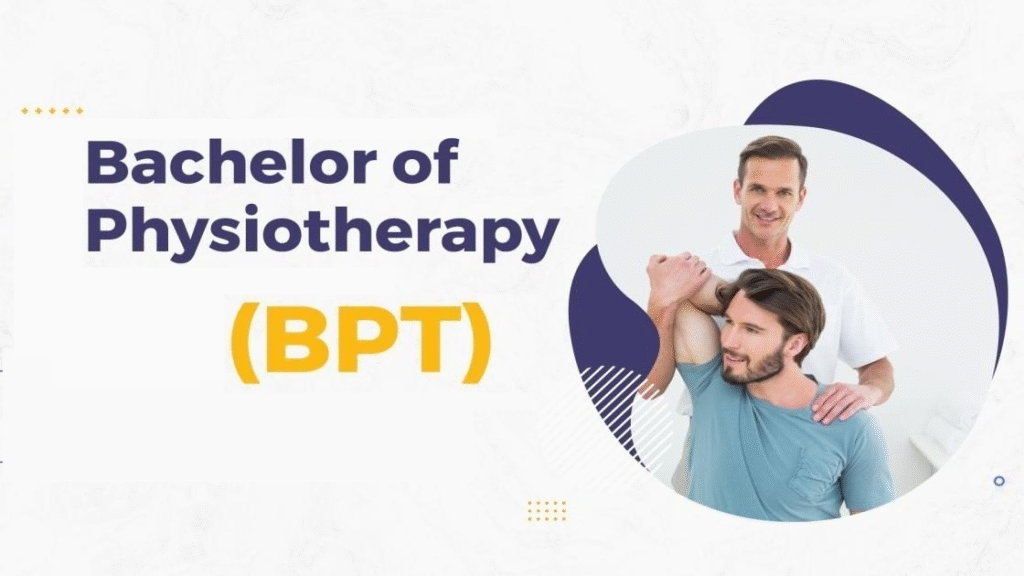
- What it is: This course trains you to restore movement and function in patients suffering from injuries, illnesses, or disabilities (like post-stroke or sports injuries) through physical exercise, massage, heat therapy, and manipulation.
- Duration: 4.5 years (4 years academic + 6 months internship).
- Core Role: Working as a physiotherapist in sports clinics, orthopaedic wards, rehabilitation centers, or setting up a private clinic.
- Example: Imagine an athlete tearing a ligament; a physiotherapist, not a surgeon, will guide their long and crucial path back to full strength and mobility.
7. Bachelor of Pharmacy (B. Pharm)

- What it is: This degree focuses on the science of drugs—their composition, action, manufacturing, quality control, and appropriate use. You become the medication expert.
- Duration: 4 years (undergraduate degree).
- Core Role: Working in pharmaceutical research, drug manufacturing (Quality Control/Assurance), or as a community or clinical pharmacist advising patients and doctors on medication usage.
- Why choose it? If you love Chemistry and Biology equally and are interested in the R&D and manufacturing side of medicine, this is a strong career path.
8. B.Sc. in Medical Laboratory Technology (BMLT)

- What it is: A course training you to perform complex tests on bodily fluids (blood, urine, tissue) to help doctors diagnose diseases. You are the unseen detective in the diagnostic process.
- Duration: 3 years (undergraduate degree).
- Core Role: Working in pathology labs, blood banks, or research centres as a lab technologist.
- Relatable Example: When a doctor suspects dengue fever, it’s the BMLT graduate who runs the tests to confirm the diagnosis and monitor the patient’s platelet count.
Comparative Chart of Top Medical Courses after 12th
| course name | Duration | Entrance Exam | Key Career Opportunities (Career Scope) |
| MBBS (Bachelor of Medicine, Bachelor of Surgery) | 5.5 years (including 1 year internship) | NEET-UG (compulsory) | General Physician, Surgeon, Medical Officer, Specialist (after PG) |
| BDS (Bachelor of Dental Surgery) | 4 to 5 years (including internship) | NEET-UG (compulsory) | Dentist, Dental Surgeon, Orthodontist, Own Clinic |
| BAMS (Bachelor of Ayurvedic Medicine and Surgery) | 5.5 years (including 1 year internship) | NEET-UG (compulsory) | Ayurvedic Doctor, Ayurvedic Consultant, Work in Wellness Center/Spa |
| BHMS (Bachelor of Homeopathic Medicine and Surgery) | 5.5 years (including 1 year internship) | NEET-UG (compulsory) | Homeopathic Doctor, Consultant, Private Clinic |
| B.Sc. Nursing | 4 years | State-level or institute-specific exams/ NEET | Registered Nurse, Staff Nurse, Nurse Educator, Opportunities Abroad |
| BPT (Bachelor of Physiotherapy) | 4.5 years (including 6 months internship) | Merit or Entrance Test of the Institute | Physiotherapist, Sports Therapist, Rehabilitation Specialist |
| B. Pharm (Bachelor of Pharmacy) | 4 years | State-level or institution-specific exams | Pharmacist, Drug Manufacturing (R&D), Quality Control, Research |
| BMLT (B.Sc. Medical Lab Technology) | 3 years | Merit or Entrance Test of the Institute | Medical Lab Technologist, Pathology Lab Supervisor, Blood Bank |
Important Insight:
- The NEET-UG exam is primarily mandatory for admission to conventional medical courses like MBBS, BDS, BAMS, and BHMS in India .
- If you are unable to clear NEET, you can still pursue a promising and high-paying medical career by taking admission in Allied Health courses like B.Sc. Nursing, BPT, B. Pharm, and BMLT .
#MedicalCareers #After12thMedical #MedicalCourses #NEET #ParamedicalCourses #FutureInMedicine #CareerGuidance #MedicalJobs #12thBiology #MedicalEducation #Carrerbook#anslation#HighPayingCareers #DreamMedicalCareer #MedicalFieldOpportunities #StudyMedicine #MedicalScope
Leave a Reply