
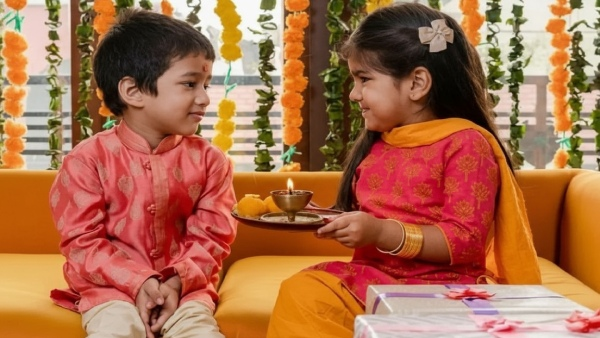
After the sparkle and excitement of Diwali fade, there is one final, heartwarming celebration that brings the festive season to a close: Bhai Dooj (also written as Bhaubeej, Bhai Tika, or Bhaiya Dooj). This special day is entirely dedicated to honoring the unique, loving, and sometimes chaotic bond shared between brothers and sisters.
It’s a beautiful festival where sisters pray for their brothers’ long life and prosperity, and brothers promise to protect their sisters. If you’re planning your celebrations, here are the key details for Bhai Dooj in 2025, along with a look at the meaning behind its cherished rituals.
When is Bhai Dooj in 2025? (Date and Auspicious Time)
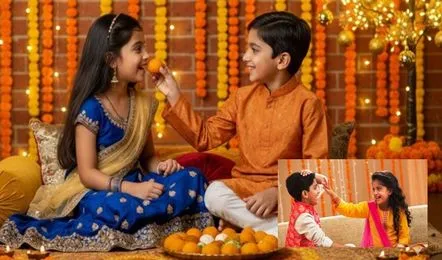
Bhai Dooj is traditionally observed on the second lunar day (Dwitiya Tithi) of the bright fortnight in the Hindu calendar month of Kartik. This falls two days after the main Diwali festivities.
Here are the important timings for the 2025 celebration:
| Event | Date | Time |
| Bhai Dooj | Tuesday, October 21, 2025 | All Day |
| Tika/Tilak Time | 1:15 PM to 3:30 PM (Approx.) | 2 Hours 15 Minutes |
| Dwitiya Tithi Begins | 1:29 PM on October 21, 2025 | |
| Dwitiya Tithi Ends | 3:30 PM on October 22, 2025 |
Note: The Tika time is considered the most auspicious period for the sister to apply the tilak on her brother’s forehead. Always check local timings, as they can vary slightly.
The Heart of the Festival: Why We Celebrate
At its core, Bhai Dooj is a formal way to affirm the sibling relationship, but it carries deep mythological and cultural weight.
The Yamuna-Yama Legend
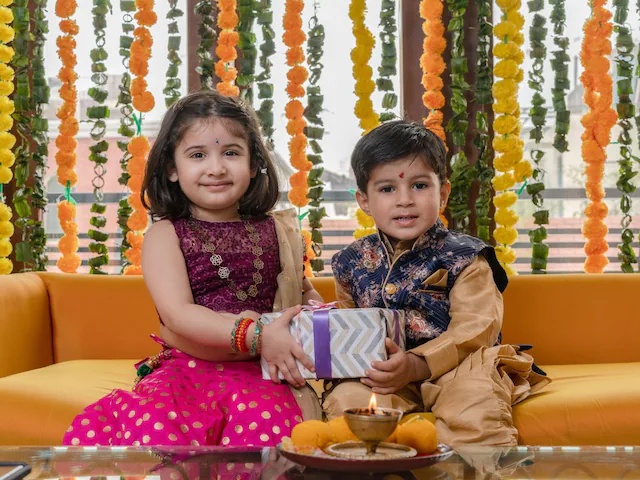
The most widely known story involves Yama, the God of Death, and his sister, Yamuna, the sacred river. Legend says that on this day, Yamuna welcomed her brother, Yama, into her home with great affection, performed a tilak on his forehead, and served him a lavish meal. Yama was so moved by her devotion that he declared that any brother who receives the tilak from his sister on this particular day will be free from the fear of death and will be blessed with a long life.
Think of it this way: The sister’s selfless love is so powerful that it can influence even the God of Death! That’s a serious bond.
The Rituals: How the Day Unfolds
The beauty of Bhai Dooj lies in its simplicity and sincerity, focusing entirely on the brother and sister dynamic.
1. The Welcoming and Aasan
The celebration begins with the sister preparing the space. She sets up a comfortable seat (Aasan) for her brother. Traditionally, the brother travels to the sister’s home, though modern families often celebrate wherever they are together. The sister performs a small welcome ritual, sometimes involving a brief arti (waving a lamp).
2. The Sacred Tilak
This is the central event. The sister applies a mark (Tilak or Tika) on her brother’s forehead, typically using roli (vermilion), akshat (rice grains), and a little water or curd. While doing this, she recites prayers or mantras, specifically wishing for his safety, success, and longevity.
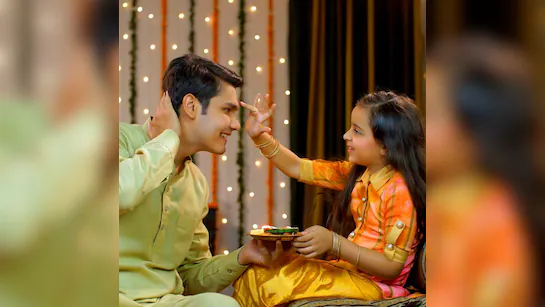
A personal insight: The Tika symbolizes a protective shield. It’s an ancient, physical gesture that says, “I am sending positive, protective energy to you.”
Tilak Mantra (Main Prayer Verse) for Bhai Dooj
Sisters chant the following mantra while applying tilak to their brother:
Sanskrit and Hindi forms
गंगा पूजे यमुना को, यमी पूजे यमराज को
सुभद्रा पूजे कृष्ण को, गंगा यमुना नीर बहे, मेरे भाई आप बढ़ें, फूले फलें।
What is the meaning of the mantra?
This mantra is a beautiful prayer in which the sister seeks blessings from the most sacred and immortal relationship for her brother:
- “Ganga worships Yamuna” : Just as the river Ganga respects the river Yamuna (which itself shows the love between Yamuna ji and the sister of Yamraj).
- “Yami worships Yamraj” : Just as Yami (Yamuna) worships her brother Yamraj .
- “Subhadra worships Krishna” : Just as Subhadra (Lord Krishna’s sister) worships her brother Shri Krishna .
- “Ganga Yamuna neer bahte, mere bhai aap badhe, phoole phale” : In the same way, may my brother’s life continue to flow (be long) like the stream of holy water of Ganga-Yamuna, and may he progress greatly in life and prosper (achieve happiness and prosperity).
Another popular Sanskrit verse
If you prefer to chant in Sanskrit, this verse is also recited:
भ्रातस् तवाग्रजाताऽहं भुंक्ष्व भक्तमिदं शुभम् ।
प्रीतये यमराजस्य यमुनायाः विशेषतः ॥
Meaning: O brother! I am your elder/younger sister; please accept this sacred food from my hands. Doing so especially pleases Yamaraja and Yamuna.
These mantras and prayers express the sacred sentiments of love, devotion and wishing long life for each other between brothers and sisters.
3. The Exchange of Gifts and Treats
Following the tilak and prayers, the sister offers her brother sweets and dry fruits. The brother, in return, offers a gift to his sister and pledges his lifelong support and protection. The gesture of the gift is a token of gratitude for her love and blessings.
4. The Grand Feast
The festival culminates in a shared meal. Just as Yamuna fed Yama, the sister lovingly prepares and serves her brother’s favorite dishes. This communal feast is a heartwarming finish to the celebrations, cementing the affection between them.
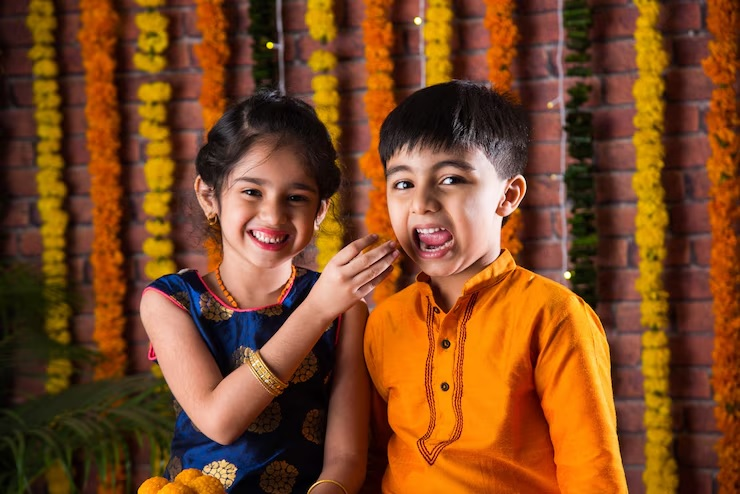
Bhai Dooj is more than just a holiday; it’s a beautiful annual reminder that no matter how much time passes or how far apart life takes us, the bond we share with our siblings is truly one of life’s greatest gifts.
#BhaiDooj #BhaiDooj2025 #SiblingLove #RakshaBandhan #BhaiBhabhiFestival #BrotherSisterBondBhai#DoojRituals #BhaiDoojWishes #SisterBrotherLove #IndianCulture #DiwaliSpecial#LoveYourSibling #FestivalOfLove #BrotherAndSister #SiblingGoals #BhaktiAndTradition #BlessedBond
Leave a Reply