
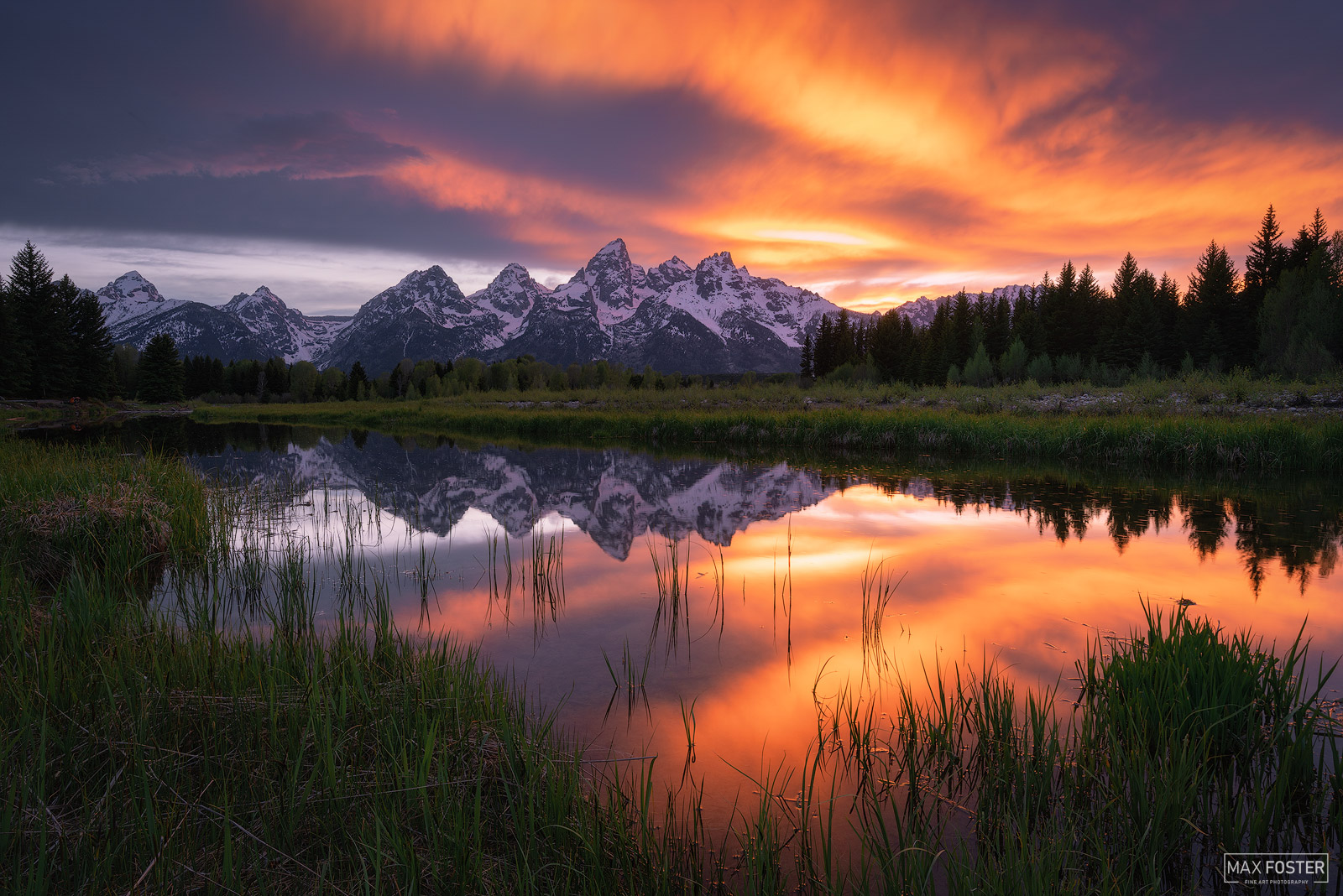
Throughout history, artists have sought to capture the essence of the natural world. Even before the invention of cameras or photography, cave paintings depicted majestic animals and beasts. From the Renaissance to Impressionism, the beauty of nature has always been a subject of artistic pursuit. Photography, too, shares this quest.
Types of Nature Photography
Nature photography is a vast and exciting field with many subgenres to explore. The beauty of the natural world knows no bounds, providing photographers with countless opportunities to capture its essence. Each subgenre offers a unique perspective and artistic approach, showcasing the diverse wonders of nature.
Landscape Photography
Landscape Photography is all about capturing the grandeur of wide, scenic vistas. It’s the art of painting a picture with your camera, where the canvas is the world itself, filled with mountains, rivers, forests, and fields. Each landscape tells a unique story; the photographer’s job is to listen and translate it into an image.
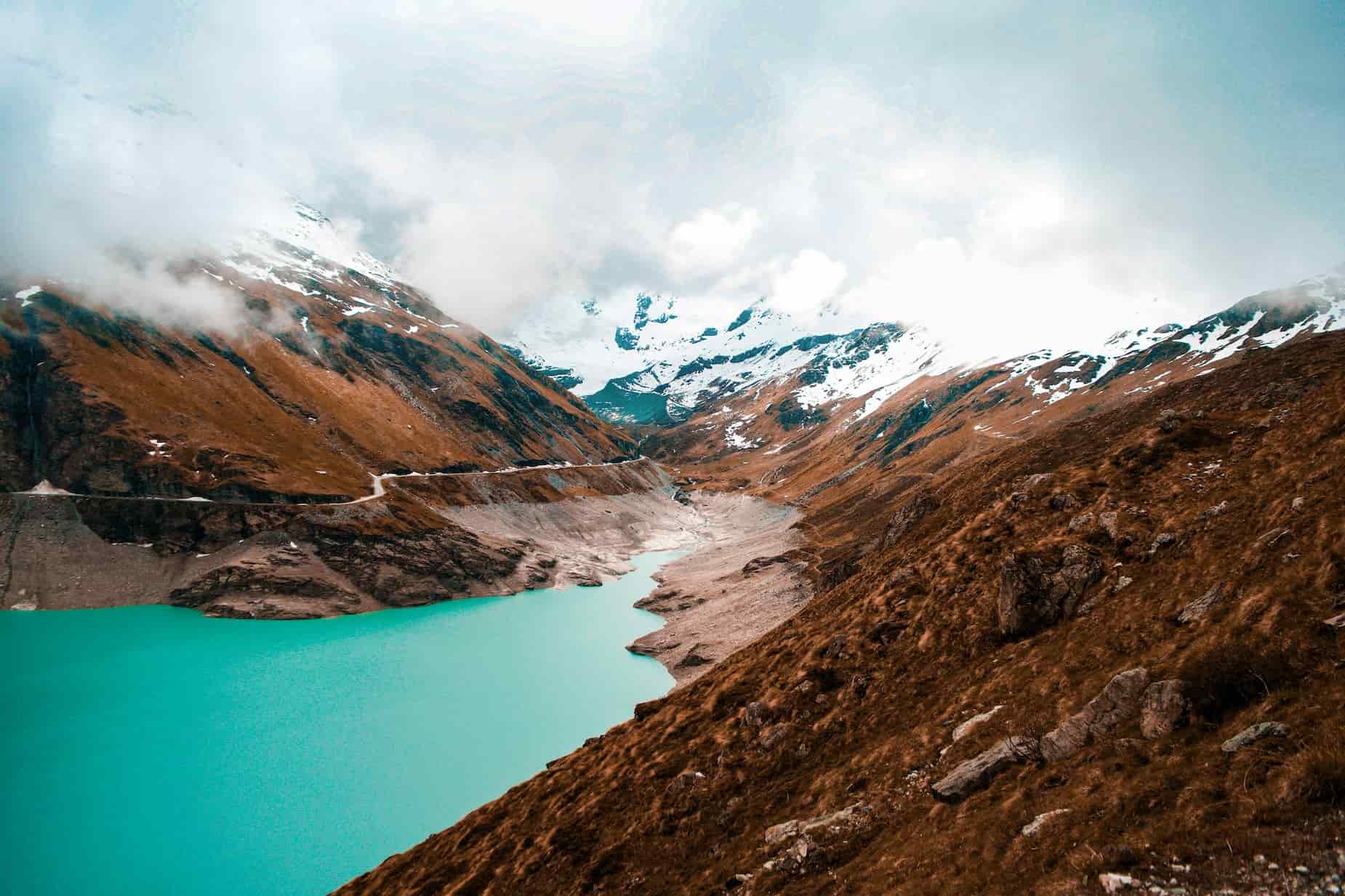
Landscape photography
Wildlife Photography
Wildlife Photography involves capturing animals in their natural habitat. It’s a game of patience and precision, where photographers must blend into the background and wait for the perfect shot. The thrill is in the chase — the unpredictable, often fleeting moments that capture the essence of the wild.
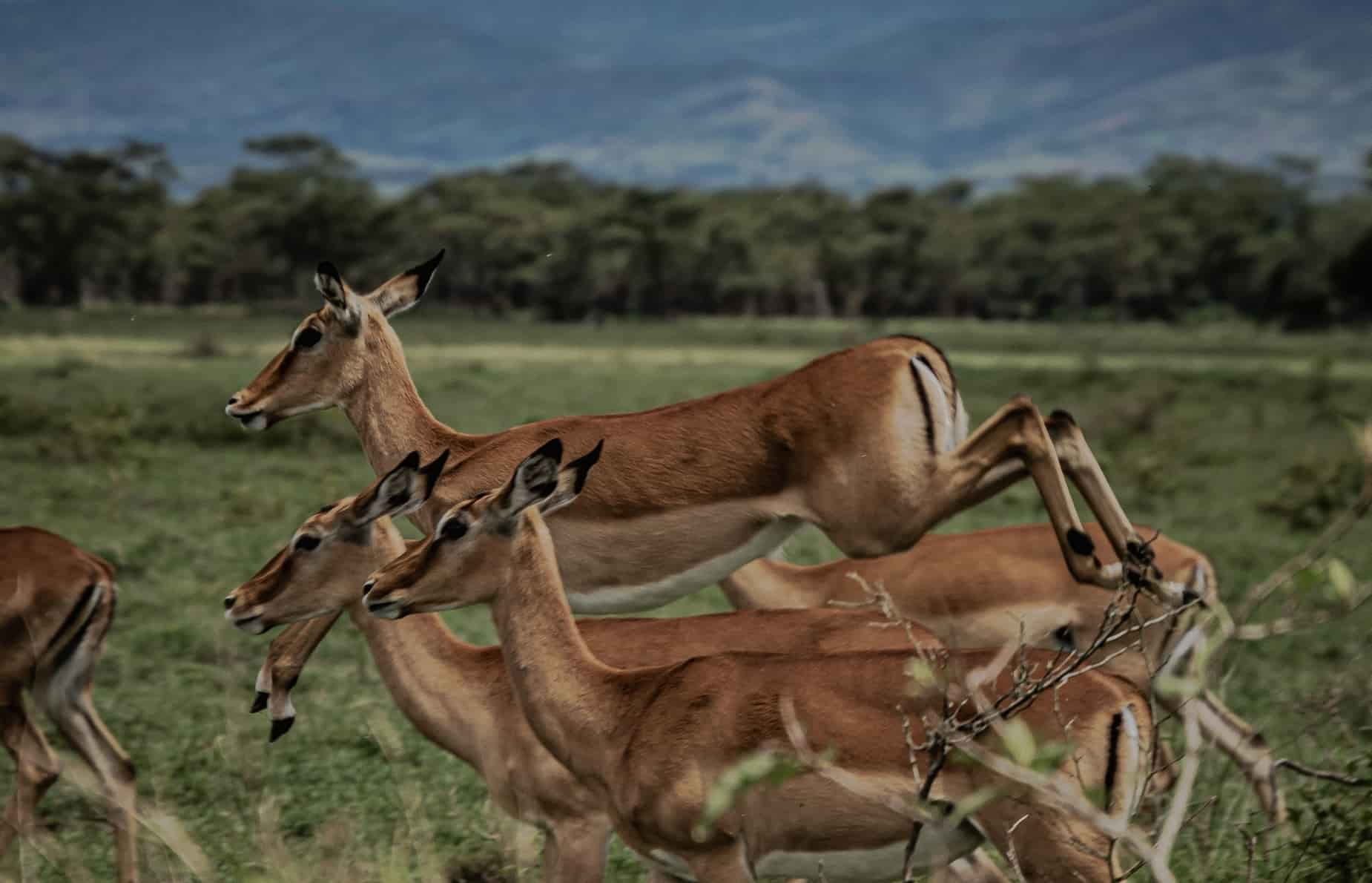
Wildlife photography • Photo by Unsplash
Macro Photography
Next, we have , which is essentially the art of making small things look big through the use of a macro lense. It’s a journey into a world unseen by the naked eye, revealing the intricate details of everything from insects to flowers. Macro photography is like looking through a magnifying glass, offering a fresh perspective on the world around us.
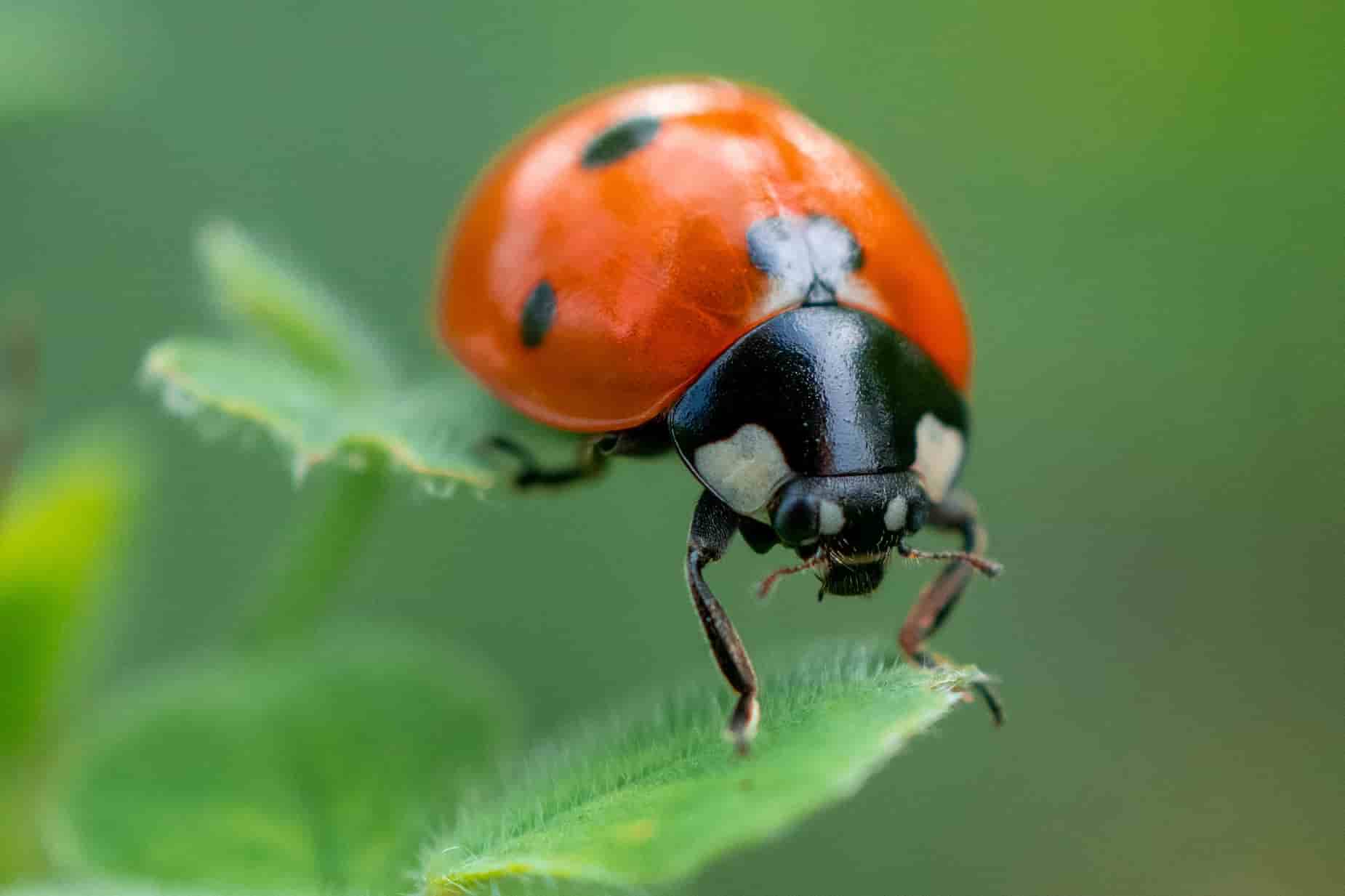
Macro Photography Nature Shots
Aerial Photography
Aerial photography gives us a bird’s eye view of the world, turning landscapes into abstract art pieces. It offers a unique perspective that is typically out of reach, capturing the beauty of the Earth from above.
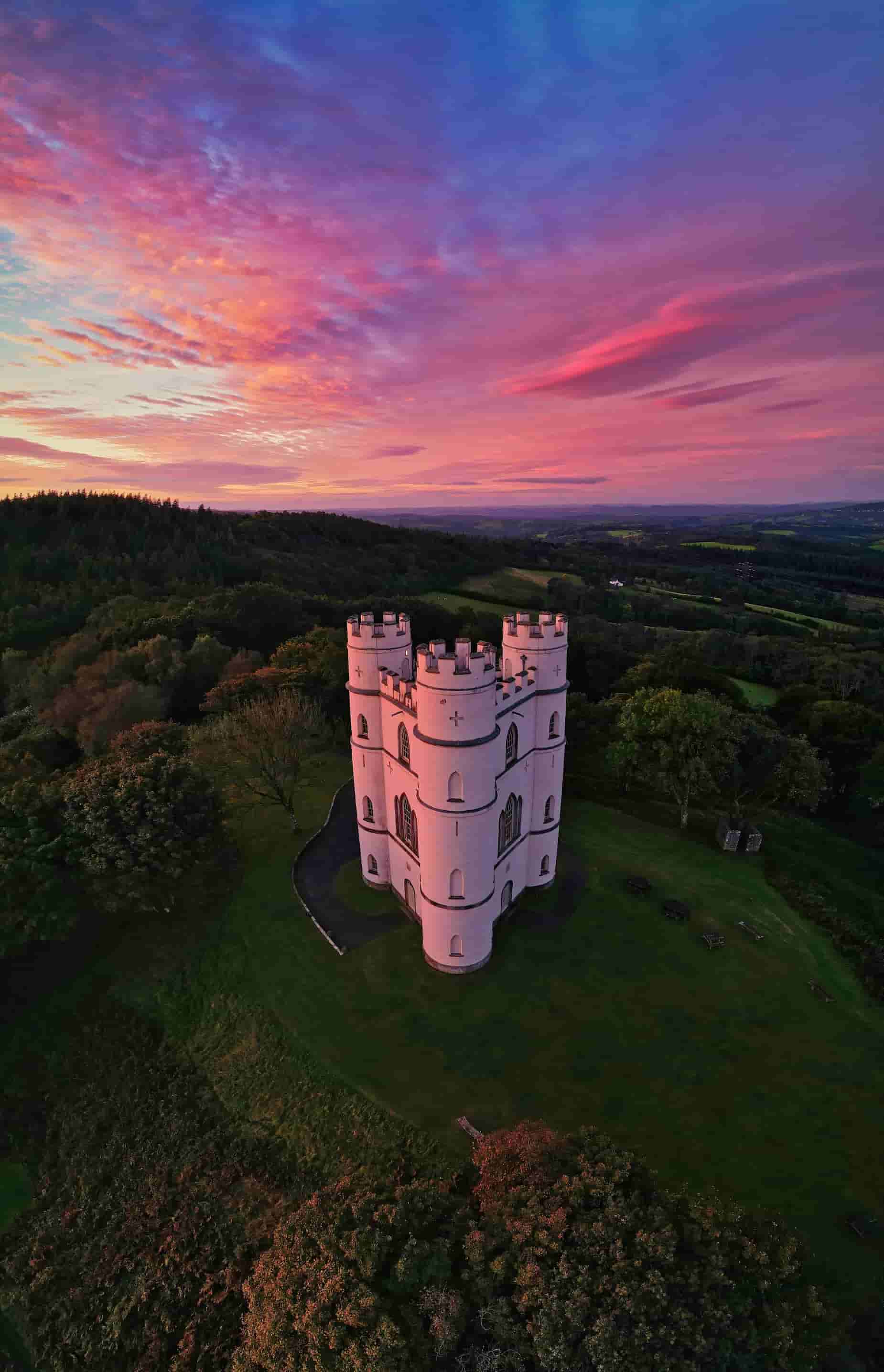
Aerial photography
Underwater Photography
On the other hand, underwater photography plunges us into the mysterious depths of oceans and lakes. It reveals a world teeming with life and color, showcasing the mesmerizing beauty beneath the surface.
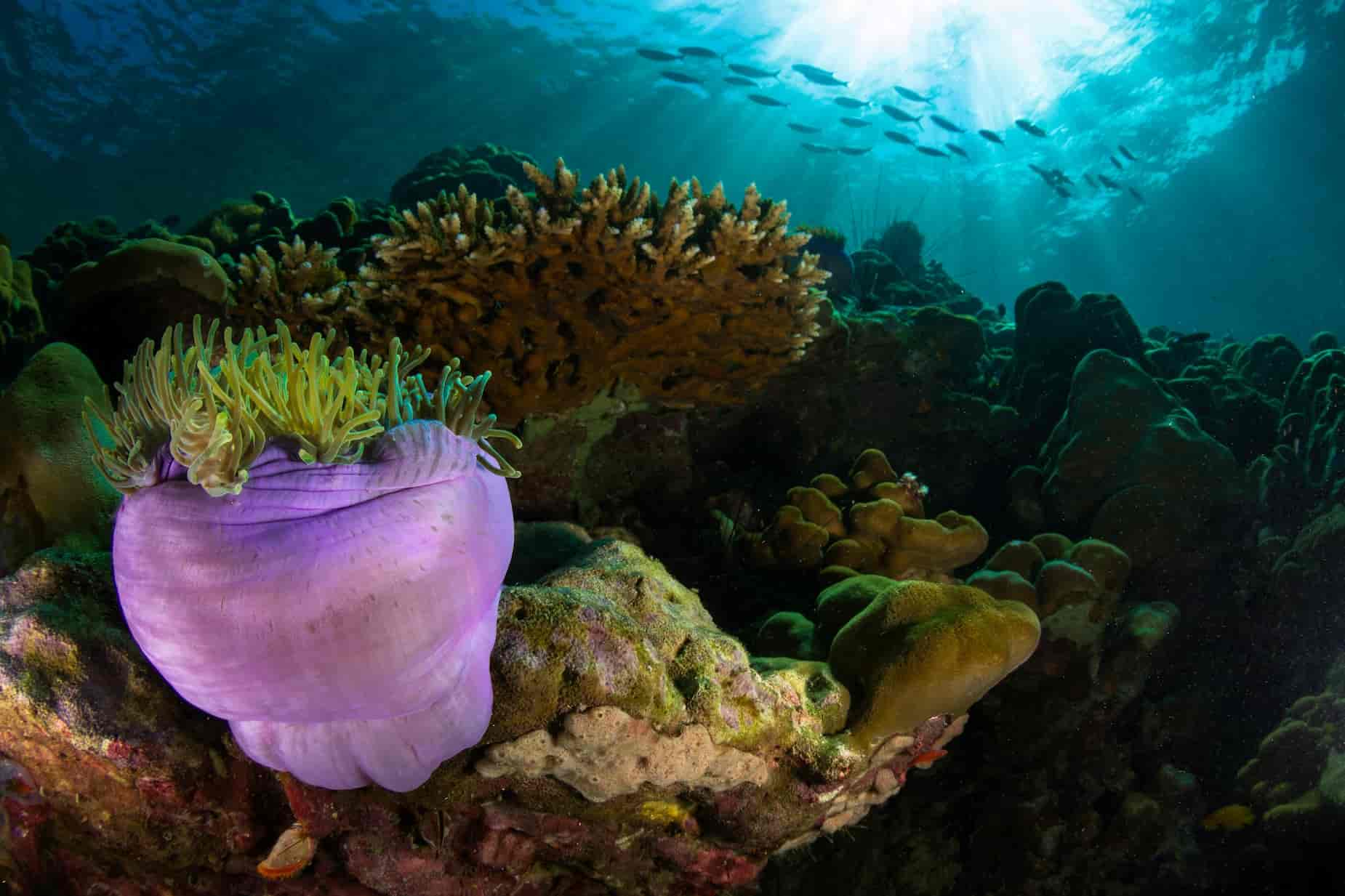
Underwater Photography
Each type of nature photography has its own unique appeal and challenges, and each requires a different set of skills and equipment. But they all share a common goal to capture the beauty, mystery, and wonder of the natural world.
Related Posts
Best Nature Photographers
Influential Nature Photographers
When writing about nature photography, it is important not to overlook the remarkable individuals who have made a lasting impact on the field.
Their contributions not only capture the timeless beauty of the natural world but also ignite a sense of wonder in countless others, encouraging them to see the world through a fresh perspective.
Ansel Adams
Ansel Adams, an American photographer and environmentalist, is often synonymous with landscape photography. His iconic has become a benchmark in the field.
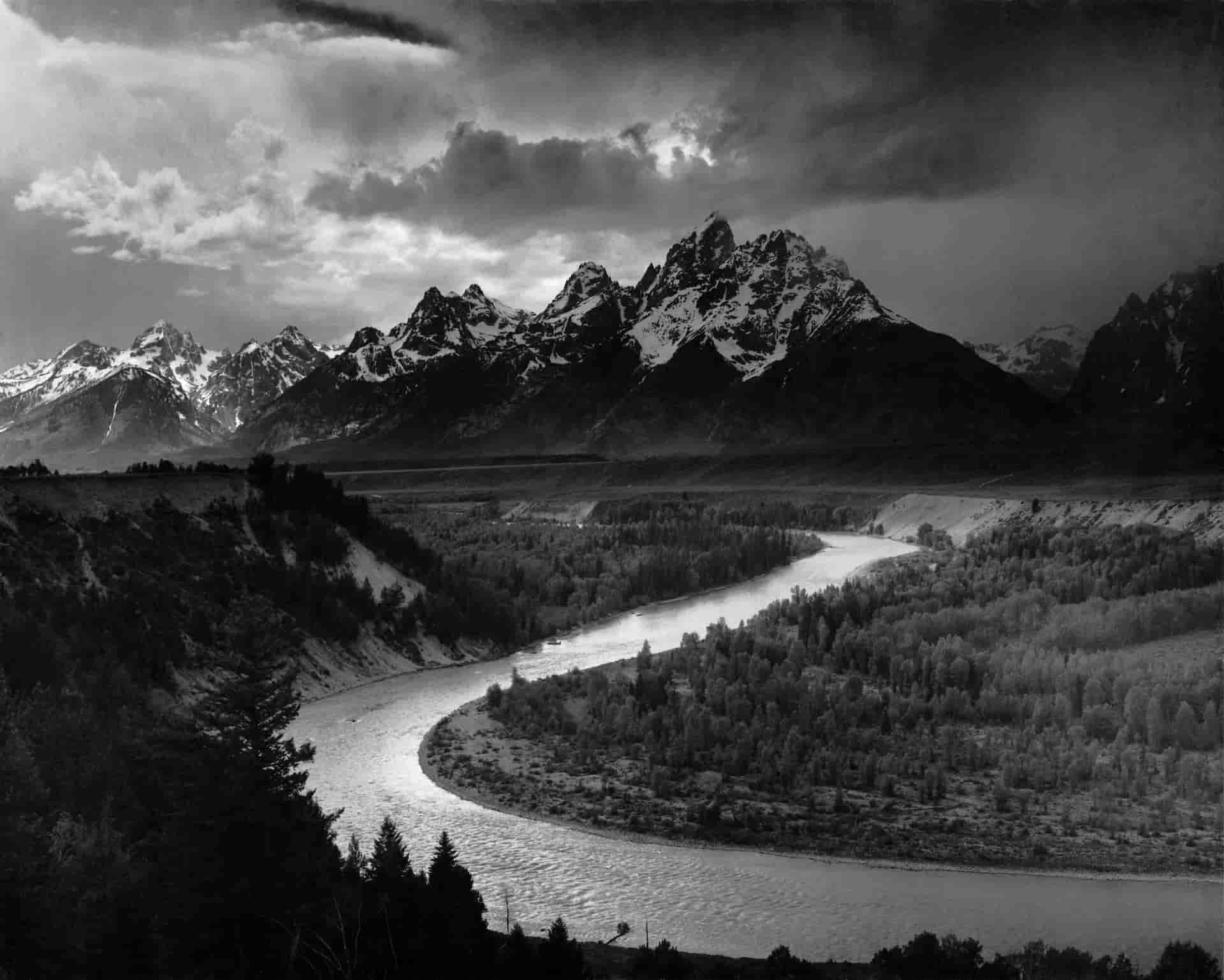
The Tetons and Snake River, Grand Teton National Park, Wyoming (1942)
Adams wasn’t merely taking pictures; he was capturing emotions, painting stories with light and shadow. His contribution to landscape photography is akin to a silent symphony of nature, frozen in time, speaking volumes about the world’s untouched beauty.
Frans Lanting
Frans Lanting, a Dutch photographer, has made a significant impact on wildlife photography. His images do more than just capture animals in their natural habitat; they narrate tales of survival, coexistence, and sometimes, the harsh realities of life in the wild.
Photo by Frans Lanting
Lanting’s efforts towards environmental conservation are commendable. Through his lens, he has shown us the importance of preserving the delicate balance of nature.
Art Wolfe
Art Wolfe’s work is as diverse as nature itself. From the vast landscapes to the smallest creatures, Wolfe’s portfolio is a testament to his ability to capture the spirit of nature.
Photo by Art Wolfe
His images are more than mere records; they are a celebration of life in all its forms. With every shot, Wolfe invites us into his world, urging us to appreciate the beauty that surrounds us.
Chris Burkard
Last but certainly not least, we have Chris Burkard, a contemporary, American self-taught photographer and artist. Burkard’s work is a reflection of his adventurous spirit and his profound respect for the natural world.
Photo by Chris Burkard
His images, often captured in remote locations, serve as a reminder of the planet’s vastness and diversity. Burkard’s photography pushes boundaries and inspires us to venture beyond our comfort zones.
These photographers, with their unique perspectives and undeniable passion, have significantly shaped the field of nature photography. They remind us that photography is not just about capturing what we see; it’s about conveying what we feel, telling stories, and inspiring change.
Nature and Wildlife Photography Importance
Environmental Conservation
Nature photography sits at the crossroads of art, science, and advocacy. It bridges the gap between the public and the often inaccessible realities of environmental degradation and conservation.
Consider this: How many of us have witnessed a melting glacier or explored a fragile coral reef ecosystem up close? Not many. Yet, through nature photographers, we gain a front-row seat to these awe-inspiring – and sometimes heart-wrenching – scenes.
Alison Jones Nature Photography
This is where nature photography truly shines. It makes the abstract tangible, transforming statistics and scientific reports into visceral, emotive experiences. A photograph can humanize the climate change crisis in ways that graphs or charts cannot.
Icy Realm by Paul Nicklen
Furthermore, nature photography fosters appreciation for the planet’s biodiversity. By showcasing the splendor of unknown or overlooked species and habitats, it sparks curiosity and connection. After all, we are more inclined to protect what we understand and appreciate.
However, let’s be clear: nature photography isn’t a cure-all for environmental issues. It’s a piece of the puzzle, a tool in the conservation toolbox. Alone, it cannot halt deforestation or reverse global warming. Yet, combined with education, policy changes, and sustainable practices, it plays a significant role in shifting perceptions and inspiring action.
How to Shoot Landscape Photography
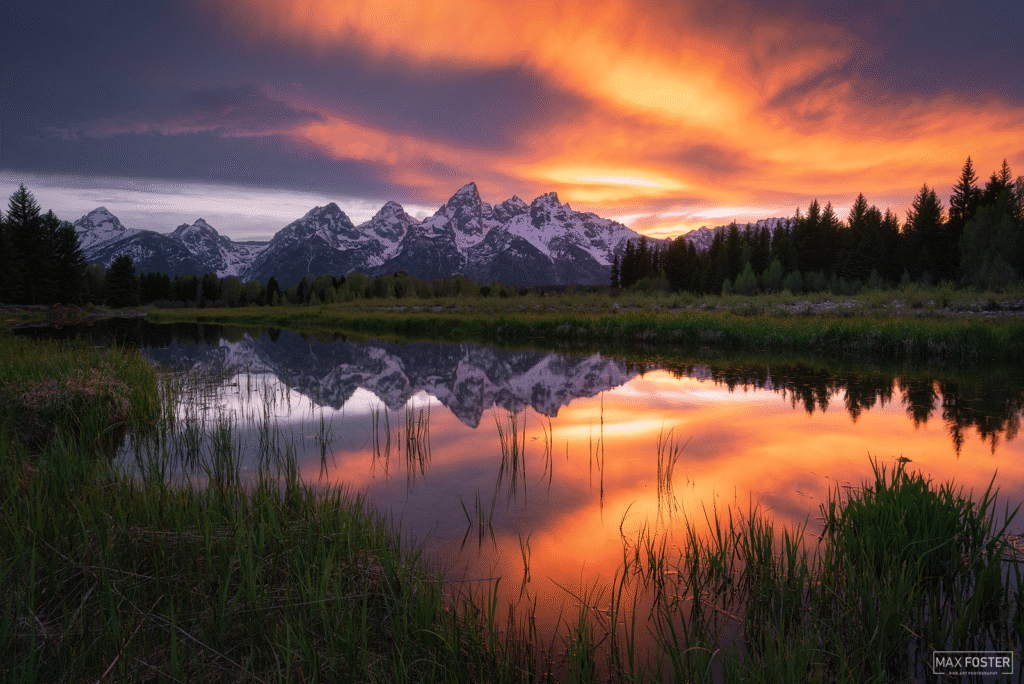
As we contemplate the significant role of nature photography in environmental conservation, let’s look a bit into the practical side of this art form by exploring techniques for shooting landscape photography in our next article.
#NaturePhotography #MotherNature #WildlifePhotography #LandscapePhotography #OutdoorPhotography #NatureLovers #PhotographyTips #ExploreNature #Carrerbook#Anslation#NatureShots #EarthBeauty #NaturalLight #PhotoOfTheDay
Leave a Reply