
Technology is reaching new heights every year, and 2025 will be no exception. This year we will see innovations that will not only transform the industry but also our everyday lives. So let’s know which tech trends are going to be in the headlines in 2025.
1. Agentic AI – Now AI will make its own decisions
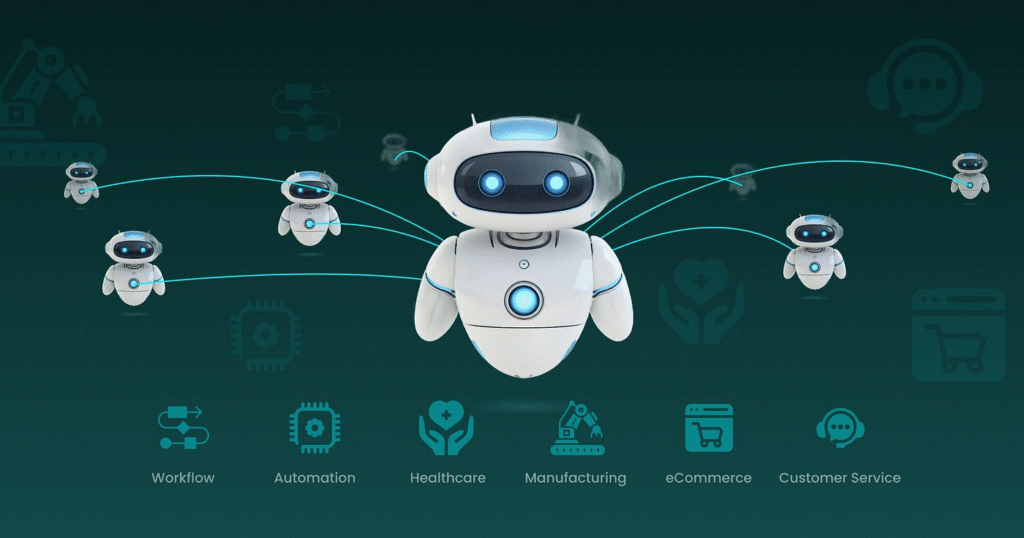
Till date, AI needed human guidance. But in 2025, Agentic AI will change everything. This AI will be able to take decisions on its own and work for you. Imagine, a digital assistant that answers your questions as well as schedules meetings, manages projects and solves everyday problems. This will save time for companies and the speed of work will double.
2. Post-quantum security – data will remain super safe
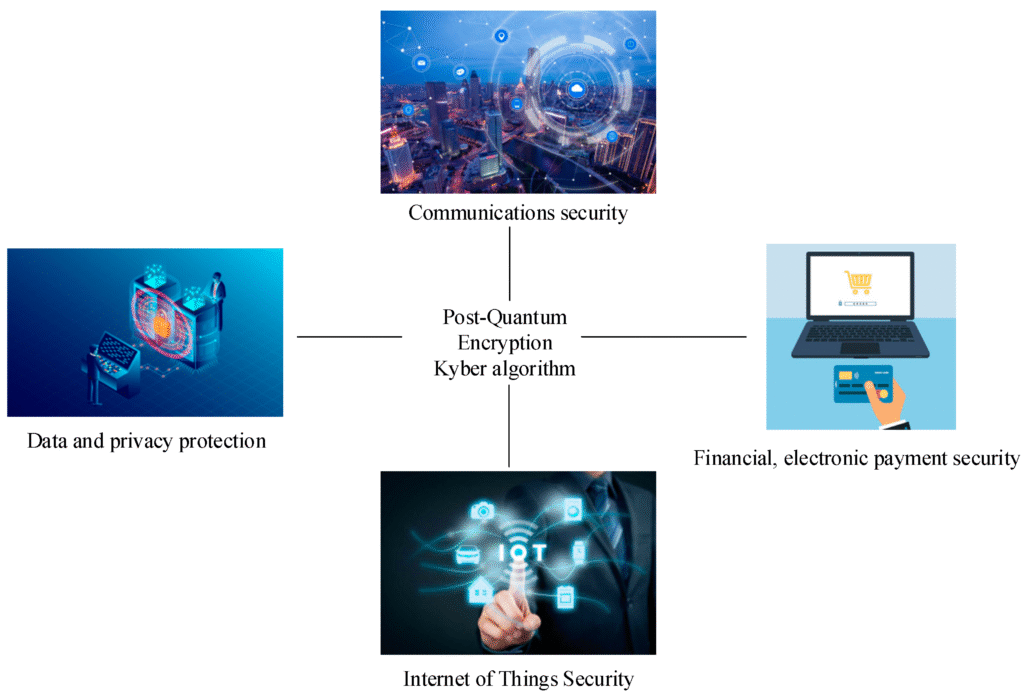
While quantum computing will bring faster data processing, it will also create new threats to cyber security. That is why the era of Post-Quantum Security has begun. This new technology will use such algorithms that can defeat the hacking power of quantum computers. For businesses, this step will be the strongest way to keep data safe.
Why is Post-Quantum Security needed?
- Speed of quantum computers: Millions of times faster than classical computers.
- Weakness of traditional encryption: Systems like RSA, ECC can be easily cracked.
- Increasing sensitivity of data: Big threat of data breach in sectors like banking, healthcare, defense.
- Long-term data security: The data that’s being stored today needs to be kept secure for decades to come.
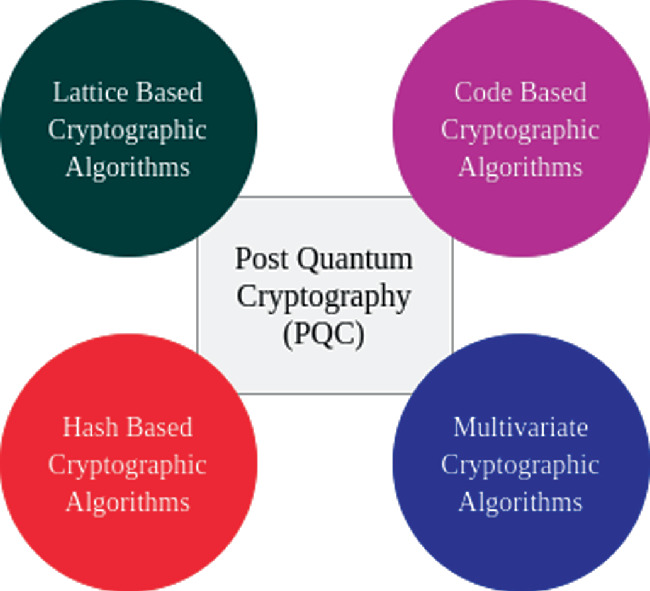
Technology used in Post-Quantum Security
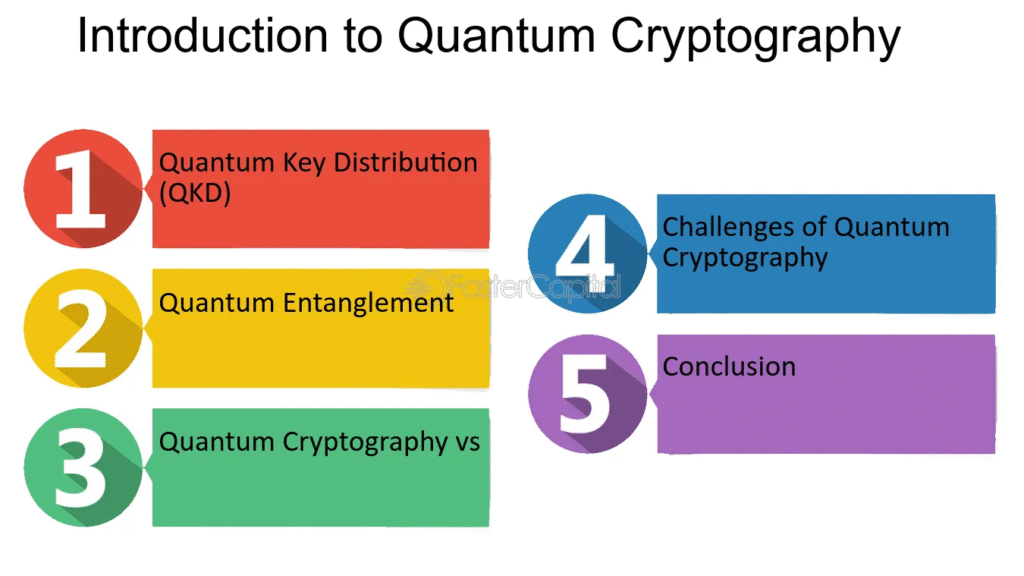
- Lattice-based Cryptography:
It is based on complex mathematical structures that are difficult to solve even for quantum computers. - Hash-based Cryptography:
This is used for digital signatures and is considered quantum-safe in the future. - Code-based Cryptography:
This has been considered secure for several decades and is also strong against quantum attacks. - Multivariate Cryptography:
It uses complex mathematical equations that are difficult for quantum computers to solve.
Benefits of Post-Quantum Security
- Long-term security: Data secured for the future.
- Hacking resistant: Even against the power of quantum computers.
- Compliance: Easy to meet new security standards and regulations.
- Digital Trust: Trust in customer and business data will increase.
Main focuses of Post-Quantum Security in 2025
| Sector | How to use | Benefit |
|---|---|---|
| Banking and Finance | Quantum-resistant encryption algorithm | Secure transactions and customer data |
| Healthcare | Protection of patients’ medical records | Data leak protection and privacy guarantee |
| E-commerce | Security of payments and customer details | Decreased risk of hacking |
| defense and government | Quantum-proof security of secret documents | Strengthening National Security |
| Telecommunication | Quantum-Safe Network Encryption | Protection against hacking and data snooping |
3. Hyper-personalized technology – everything will be special for you
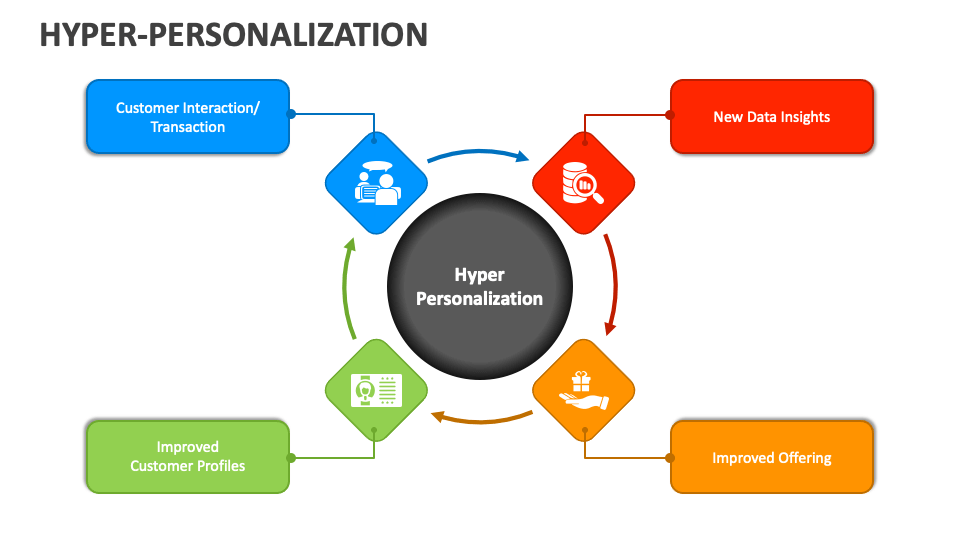
Users want technology to understand their needs. 2025 will be the era of Hyper-Personalization , where AI will understand your behavior and preferences and personalize products, services and content for you. This change will be seen everywhere, from e-commerce to healthcare.
4. Sustainable Tech Solutions – The Growing Importance of Green Technology
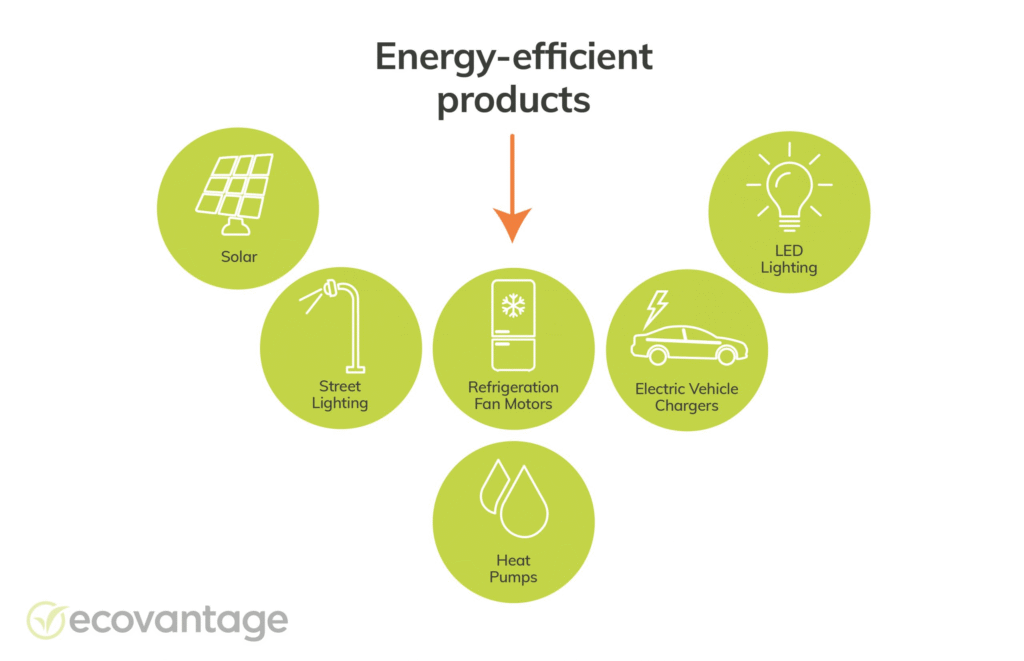
Amid the challenges of climate change, technology will focus on becoming more eco-friendly in 2025. There will be an emphasis on carbon-neutral devices, energy-saving data centers and smart recycling technology. The balance between technology and environment will now be the priority of companies.
5. AR and VR – An experience more real than reality
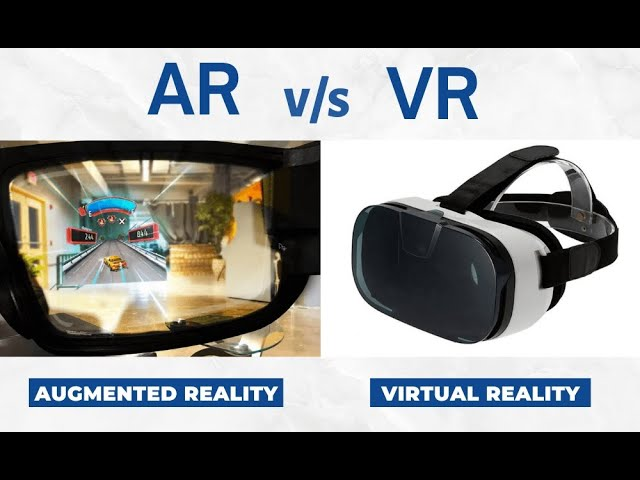
Augmented Reality (AR) and Virtual Reality (VR) will no longer be limited to gaming. In 2025, they will transform education, healthcare and remote work. Imagine studying in a virtual classroom that feels completely real or doctors getting training through VR simulations. This future is not far away now.
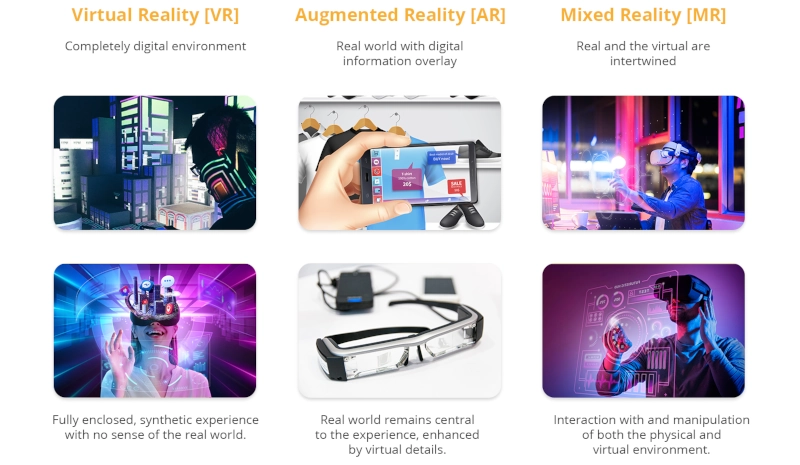
Benefits of AR and VR
- Realistic Training: Get a realistic experience without the risk.
- Cost and time savings: Reduced need for expensive training setups and travel expenses.
- Convenient Learning: Attend virtual classes from anywhere.
- Better interactions: Meetings and classes become more interactive and engaging.
- Customization: The experience can be personalized to suit the user’s needs.
Major uses of AR and VR in 2025
| Sector | How to use | benefits |
|---|---|---|
| Education | Virtual classroom, teaching through 3D models | Better understanding, Realistic experience, Interactive learning |
| Healthcare | Surgery simulation for doctors, remote consultation of patients | Accurate training, reduced risk, saved time and cost |
| Remote Work | Virtual Meetings, Project Collaboration | Better teamwork, easier coordination despite physical distance |
| Tourism | Virtual Tours, 360-Degree View of Destinations | Experience places without traveling, help in travel planning |
| Retail | Virtual Trial Room, Product Demo | Better customer experience, easier purchasing decisions |
6. Edge Computing – Fast and Reliable Technology
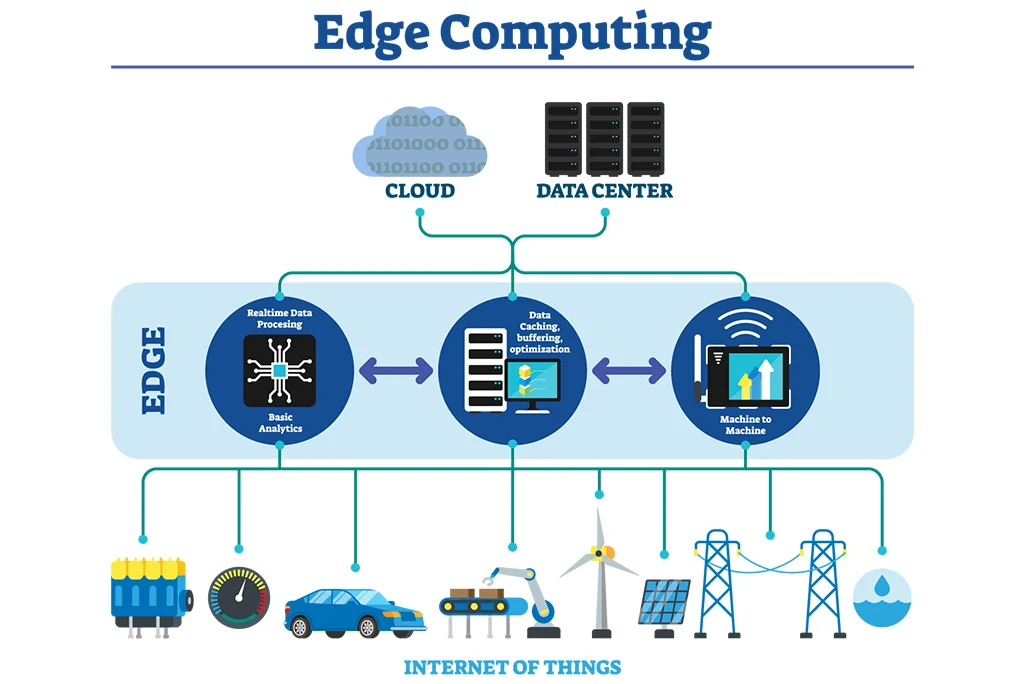
After cloud computing, now Edge Computing has entered. It processes the data at the same place where it is generated, thereby improving both the internet speed and system performance. This technology will prove to be a game-changer for places like self-driving cars and smart cities.
Main features of Edge Computing
- Low Latency: Response time is extremely fast as data is processed instantly.
- Enhanced Security: Since data is processed on the local device, the risk of hacking is reduced.
- Less load on the network: No need to send all the data to the cloud, which reduces pressure on the network.
- Real-time processing: Ideal for quick decisions in healthcare and automation.
- Scalability: Works smoothly even when the number of devices and data increases.
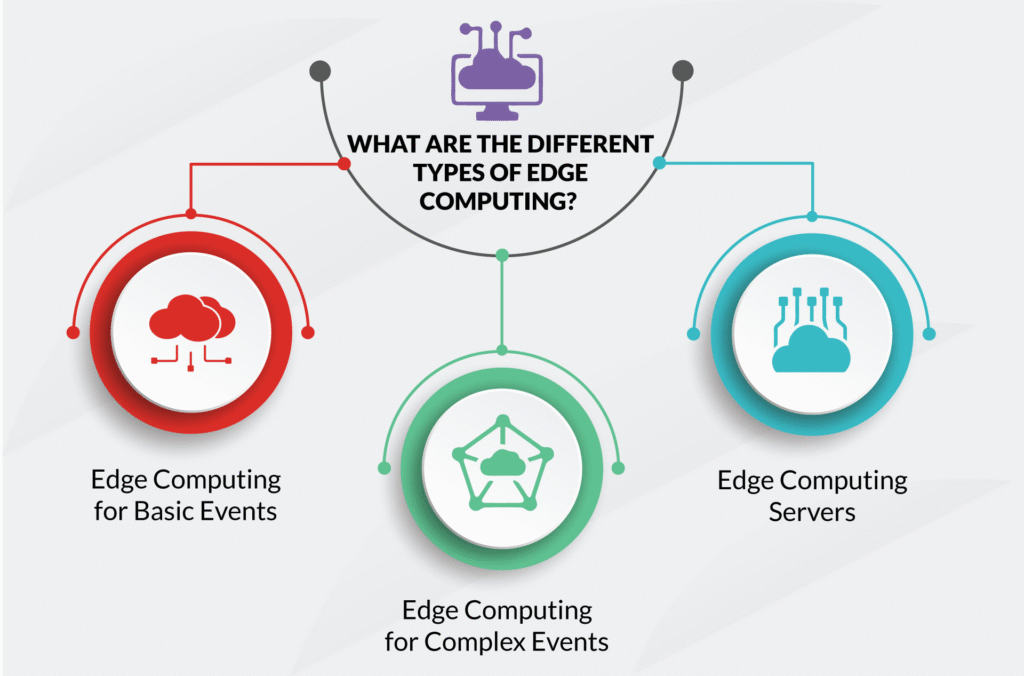
Major Uses of Edge Computing in 2025
| Sector | How to use | benefits |
|---|---|---|
| Self-driving cars | Make real-time decisions by quickly processing sensor data | Faster and safer driving, fewer accidents |
| Healthcare | Analysis of real-time health data of the patient | Helps in faster diagnosis, remote patient monitoring |
| Smart Cities | Automatic control of traffic, lighting and security | Better management, energy savings, safer cities |
| Industrial Automation | Real-time analysis of machine data | Reduced downtime, improved production efficiency |
| Retail Sector | Quick processing of customer data | Better Shopping Experience, Personalized Recommendations |
Difference between Edge Computing and Cloud Computing
| Features | Edge Computing | Cloud Computing |
|---|---|---|
| Data processing location | near the source of the data | on the remote server |
| Response Time | very fast | a little more |
| Security | More secure as data is local | There is more risk due to data transfer over the internet |
| Real-time applications | Ideal (Automation, Healthcare, IoT) | Limited |
conclusion
The goal of technology in 2025 is to deliver smart, secure, and personalized experiences. From agentic AI to post-quantum security, these trends will transform the way we work, live, and learn. Those who adopt these innovations early will be at the forefront of the future.
#TechTrends2025 #ArtificialIntelligence #AgenticAI #PostQuantumSecurity #EdgeComputing #AugmentedReality #VirtualReality #ARVR #HyperPersonalization #Carrerbook#Anslation#SustainableTechnology #GreenTech #FutureOfTech #DigitalInnovation #SmartTechnology
Leave a Reply